The answer is straightforward for the majority of people: a good facelift is by far the most dependable way to achieve that “10 years younger” appearance, particularly if one is plagued by jowls, sagging and the like. Where ageing is not as pronounced, there are other means to a fresher look such as a mini facelift, Botox, dermal fillers or laser resurfacing and blepharoplasty; they just do not have the lifting power of the full surgical article.
You would be hard pressed to find a magic bullet though. It is a matter of what has begun to age first, be it loose skin, a lack of volume, sun damage or heavy lids, or some rude combination of them all. Finnian Barrett will say many are taken in by this, wanting a single treatment when their face is calling for a plan.
Quick Answer First
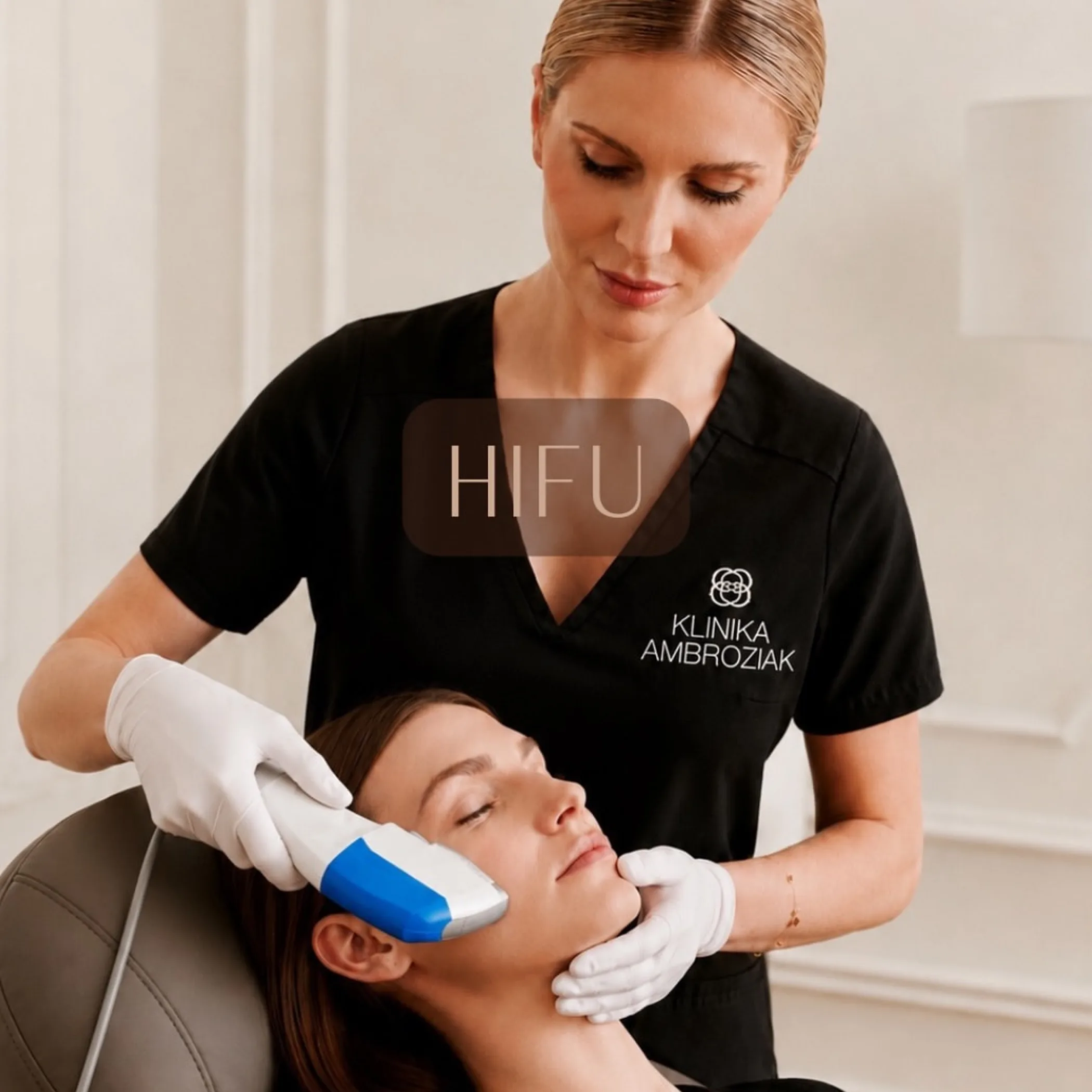
To put it bluntly, the rhytidectomy or facelift is the procedure that will give you the kind of results people talk about as “ten years off”. Typically one has it done with some neck work and at times eyelid surgery. For more details, explore how the procedure takes 10 years off.
Non-surgical routes can be very good and a solid refresh for the right individual. But on the question of which takes 10 years off, surgery is the victor in most cases as it can reposition tissue and address structural ageing, not merely put a soft edge on things.
Where You Will See The Most Change
In the lower face and jawline a full facelift is hard to beat. For marionette lines, deep nasolabial folds and any loose skin on the neck and cheeks it is of great use. A mini facelift is of value in the early stages of ageing but the correction is more limited. Then there is blepharoplasty; if the eyes are puffy or hooded and you want to appear less tired, it can make you look surprisingly younger since the eyes do much of the work in how rested we come across.
Surgery Versus The Rest
Not everyone is keen on surgery yet it is the standard for visible lifting. When the problem is sagging as opposed to pigmentation or texture, that is where the gains are. One sees it often enough: people fixated on the wrinkles in the mirror and miss the fact the real change is in the descent of the lower face. An expensive jar of cream will not lift that, no matter how it looked in the bathroom light.
Full Facelift
With modern methods you get a natural result from a facelift, none of the wind-tunnel effect one dreads. Deeper tissues are put back where they should be and superfluous skin is gone. It is a solution for cheek descent, jowls and the neck. Surgeons will frequently add fat grafting or skin resurfacing to a lifted face because the latter does nothing for hollowing or the marks of the sun.
Mini Facelift
A lighter affair for the younger patient or anyone disinclined to much downtime, the mini facelift is suited to mild laxity and the beginnings of jowling. The result is more modest however. Should there be marked facial descent or a lot of looseness in the neck, a mini facelift is akin to using a carry bag to move house; it has its uses but is not up to the task.
Blepharoplasty
For upper lids or lower lids this is the way to go to put an end to a puffy or heavy eye. On some faces it is more rejuvenating than injectables. The eye area has a bearing on your age and after blepharoplasty one is told they do not look so exhausted, without being obviously “done”, and that is as it should be.
Non-Surgical
When the issue is fine lines or some loss of volume and not major sagging, non-surgical is the way to proceed. It is also a better investment to maintain what surgery has done than to put money into small fixes in perpetuity. Finnian Barrett has observed as much in hospitality as in aesthetics: you can polish the cutlery all you like but if the foundation is wrong you are not going to save the room.
Botox And Fillers
Botox is used to put the muscles at ease, those responsible for the frown lines and crow’s feet in the forehead. Dermal fillers, where appropriate, will put volume back in the lips, temples, tear troughs and cheeks. With the right injectables one can put on a fresher, less severe countenance. They are not interchangeable however; Botox is for lines of movement, fillers put volume back where it has been lost. Do not think of them as a lifting procedure in the manner of a facelift, even if you can achieve a measure of lift with well placed filler.
Lasers And Peels
For the type of patient whose skin is tired before it is saggy, laser resurfacing or a chemical peel is often called for. These and fractional lasers go after surface ageing in the form of sun damage, odd tone and texture, or lines. Over time the collagen they stimulate will add some firmness. You will not get a dramatic lift from it so much as better quality of skin that makes a person seem years younger.
Energy Devices
Skin tightening and to stimulate collagen is what radiofrequency and ultrasound therapy (Ultherapy being one) are for. In a way microneedling is in the same category of improving quality over time, albeit by a different mechanism.
They are for those after an honest improvement with little or moderate downtime, not a miracle. One has to have proper expectations in this field where the marketing can be as hard as nails.
Combination Plans Work Best
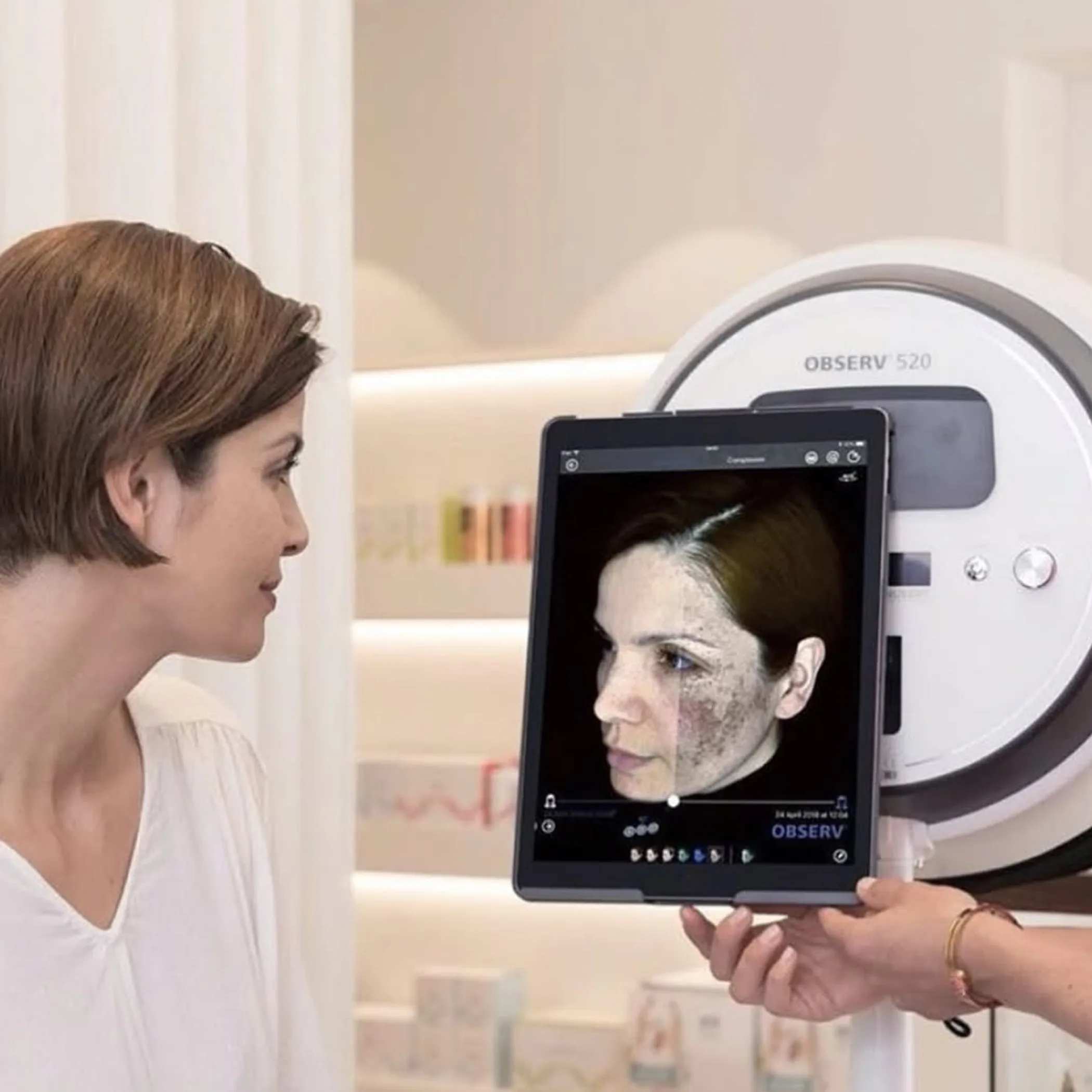
A good facial rejuvenation plan is typically a combination of treatments: one to restore volume to the cheeks or eyes, another to brighten, still another to lift.
Sensible planning is required. To put stock in any single procedure as the answer to take 10 years off your face is to set oneself up for disappointment when there are issues with laxity, fat and muscle all at once.
Common Pairings
You will see a facelift and blepharoplasty done together to cover the lower face and the eyes. Add in a laser and you can deal with sagging and skin quality at once. Non-surgical patients may find a balanced result with Botox and dermal fillers followed by some laser or microneedling. Some clinics will put forward a Take10 treatment or something of the sort but the make up of it is up to the provider, so ask what is entailed.
| Procedure | Best For | Downtime | Typical Longevity | “Years Off” Potential |
| Full Facelift | Jowls, neck laxity, sagging cheeks | 2–4 weeks social downtime | 7–10 years and up | The highest potential |
| Mini Facelift | Some lower-face laxity | In the order of 1–3 weeks | 3–7 years | Moderate |
| Blepharoplasty | Under-eye bags, heavy lids | 1–2 weeks | Several years | Moderate to high in the eye area |
| Botox | Dynamic lines | Minimal | 3–4 months | Subtle to moderate |
| Dermal Fillers | Contour deficits, loss of volume | A few days at most | 6–18 months depending on the area | Subtle to moderate |
| Laser Resurfacing | Fine lines, pigmentation, texture | Up to 2 weeks | Will vary with sun exposure and how you care for your skin | Moderate for quality of skin |
| Ultrasound/Radiofrequency | Collagen stimulation, mild laxity | Minimal | Variable, gradual | Mild to moderate |
How Each Option Helps
It is obvious enough but many a consult goes awry because one does not know what a given treatment is for. Should your cheeks have fallen, relying on fillers alone could end up puffy. A lift on crepey, sun damaged skin might leave you looking tight but no fresher without resurfacing.
Ageing Pattern Matters
Surgery is the best for loose skin, dermal fillers or fat grafting for volume, Botox for dynamic wrinkles. As for pigment and fine lines, you would use a laser, peel or microneedling. Neck fullness can be due to skin, fat or muscle which is why some are candidates for Kybella and others for surgery. The cause dictates the treatment, not the slogan.
Realistic Results And Timing
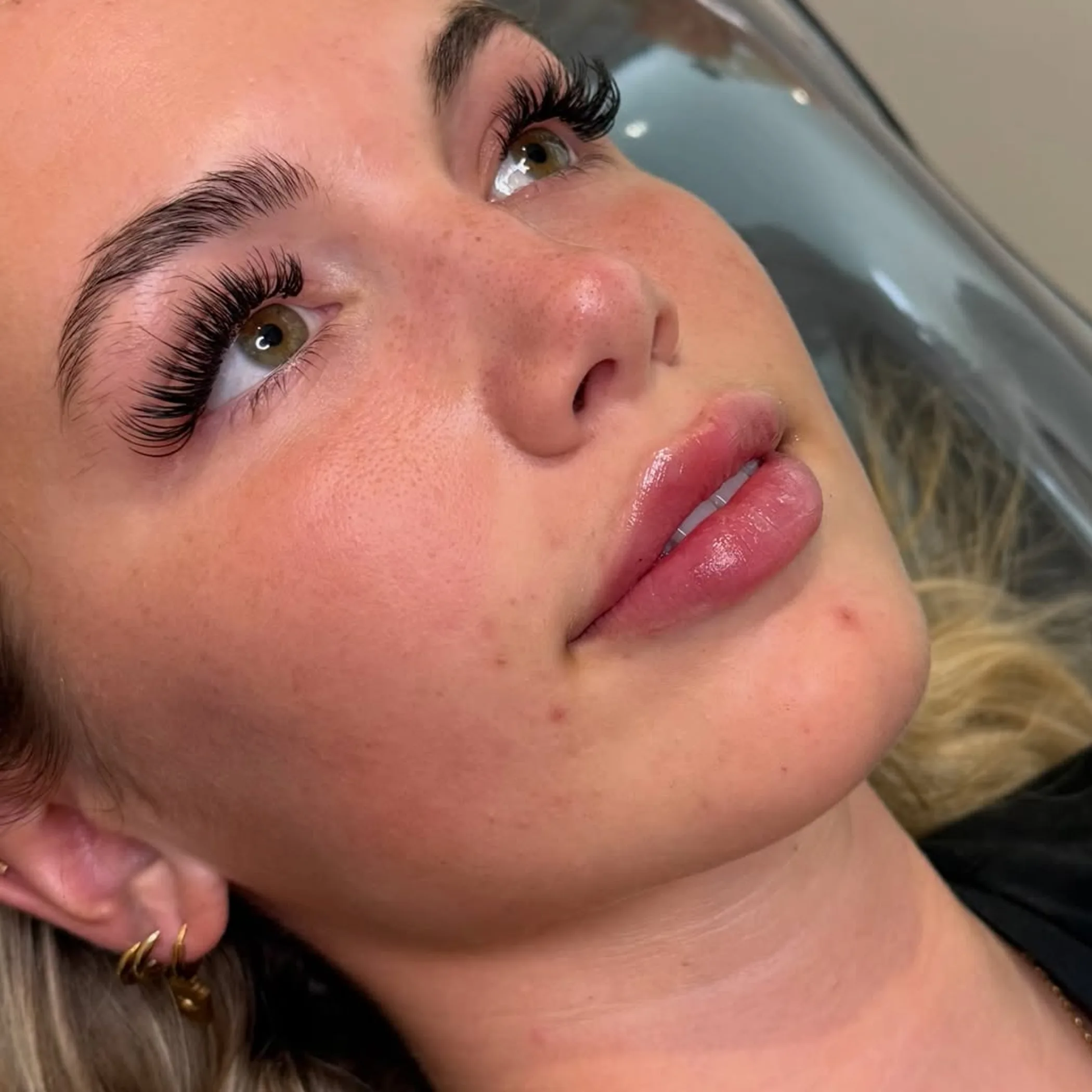
The desire is rarely to look 20. More like to put aside the cross or tired look and be more yourself on a week when you have had the sleep and the light is right. “Years off” is a phrase for the consumer, not a medical metric. A good clinician will talk about problem areas rather than fantasy arithmetic.
Expectation Vs Reality
There is no set number for every face, but a full facelift can put 7 to 10 years back on someone, occasionally more with the right patient. The mini is milder. If the eyes are the tell, a blepharoplasty can do more than one would think.
As for non-surgical facelifts, while they will enhance appearance they do not replicate a surgical lift. Harvard Health and Johns Hopkins Medicine are evidence based in their approach to such procedures and that is how it should be.
One need only read the latest in public reports or clinical commentary to see the case made for a strong appetite towards less invasive options, though it would be wrong to think they are an alternative to surgery. When it comes to treating the modern ageing face, the likes of Dr Spiegel and Dr William Grath are invariably put forward by way of authority; but one is left with the same practical truth: what matters is fitting the treatment to the anatomy, not following trends.
Costs And Downtime
The price of facial rejuvenation in Australia can be anything. It is all down to the provider and his or her expertise, the city, hospital fees, anaesthesia, aftercare and how complex the case is.
Most will make allowances for the procedure itself and nothing else. They do not factor in the time away from work, the need for support at home, follow-ups, post-op garments or scar care. Then there is the matter of bruising which has no regard for your social calendar.
Typical Cost In Australia
You will find a full facelift to be a many-thousands affair, more than AUD 20,000 in some instances when you add up the surgeon, hospital and anaesthesia. A mini facelift does not come cheap either. With blepharoplasty the figure may be lower to start with, contingent on the setting and whether it is upper or lower lids.
Botox is typically charged in units or by area and dermal fillers per syringe. As for microneedling, ultrasound therapy, radiofrequency or laser resurfacing, those costs will differ according to the device, the area and how many sessions are called for. Given that prices are not static, a clinic ought to put a quote in writing after a consultation instead of throwing out an imprecise “from” number.
Recovery Time
Online accounts of a facelift recovery tend to be optimistic. The reality is most patients want two weeks to be presentable in any sense and three or four before their confidence is back for social occasions. Photographs will show the swelling for longer.
With blepharoplasty it is not unusual to put off public-facing work for a week or two until the bruising has gone down. Injectables have minimal downtime of a sort, but can leave a mark. The recovery from laser resurfacing can be quite pronounced if done with intensity, or just a few days of redness.
Safety And Who You Choose
Do not be in a hurry to get through this part. An Instagram feed may be flashy but it is no qualification, as many have found out.
In Australia it is for the consumer to know the risks and to verify that a device or medicine is regulated. The Therapeutic Goods Administration is the official body for oversight of therapeutic goods here.
Who Is A Candidate
Surgery is best for the healthy non-smoker who has visible laxity, the time to recover and does not have unrealistic notions. Non-surgical means are for maintenance or earlier signs of ageing, or for those not yet prepared for the operating room.
To put it bluntly, anyone expecting a dramatic result from the smallest of treatments is not suited to be a beginner; the let down is greater than you would expect.
Common Misconceptions
- It is the trend name and not the anatomy that makes the choice for some.
- Or they will compare a filtered before and after without giving thought to the lighting and angles.
- Some think a face is younger with more filler, where in fact it has the opposite effect.
- They also fail to ask who is doing the work, what the revision policy is or about emergency access.
A Consultation
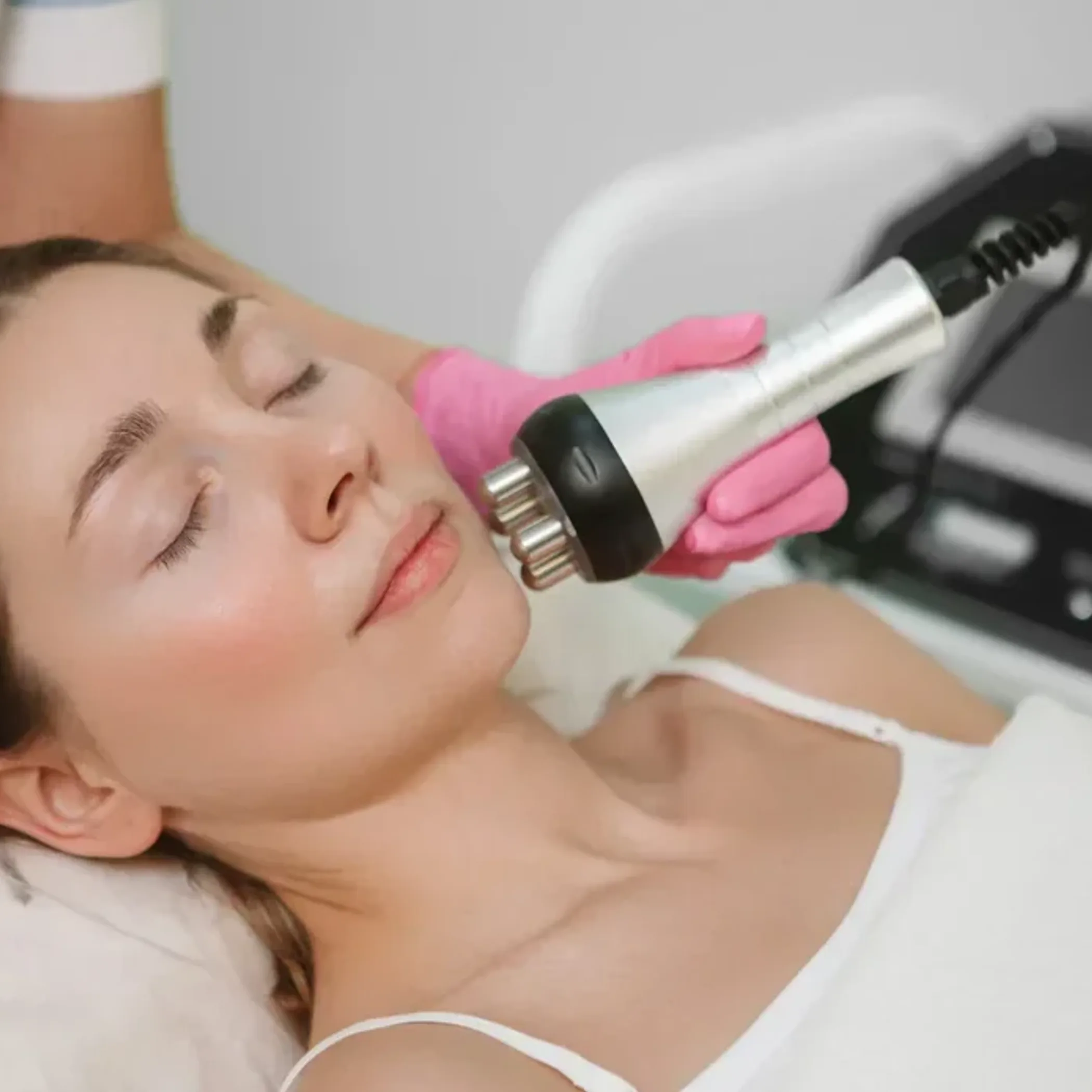
There should be no rush to a proper consult. If the examiner has not had a good look at your face and is already looking to have you sign on, then take it as a signal to put the brakes on. There is a certain guest-service wisdom to Finnian Barrett’s approach: when the one in charge cannot put plain questions to rest with a clear answer, you are better off keeping your keys, your savings and your skin.
Questions to put to them
- Do not leave without knowing what is at the root of the ageing in your face, be it bone support, fat, muscle or some combination.
- You should also have an idea of which treatment will be of most use and which will not address your primary concern.
- Ask who is doing the procedure and where, and what the protocol is for a complication.
- Request to view before and after pictures from patients of like age and anatomy.
- And get the bottom line on cost in AUD, right down to the last extra, the medicines and the reviews and dressings.
A One Day Decision Guide
To whittle down your options in a day, zero in on the pattern of your ageing. Sagging is an indication for a facelift or mini; heavy lids call for blepharoplasty; laser resurfacing or a peel for lines and pigmentation; Botox for expression lines; fillers for hollowness.
Make the face area that leaves you looking the most tired your first priority, for many this will be the jawline or eyes. Tackling the most obvious problem tends to yield the best return.
Finnian’s take on it
Put to him the question of what will put 10 years back on your face and he will give you an unvarnished reply: a facelift, and on occasion with blepharoplasty and other skin work, is what produces the strongest outcome. A non-surgical plan can be very good for milder cases but do not expect a reinvention so much as a refresh.
Have a budget and come with expectations in check and a provider at hand to make light of the more tedious details. It is those details that separate “you look well” from “well, that was costly”.
FAQ
What is there to take 10 years off?
For the most part you want a full facelift to see a reliable reduction in age, particularly for the neck, jawline and cheeks. If the eyes are the source of your fatigue, blepharoplasty is another way to make a difference.
How about 20 years?
You will not find a treatment that does that in a safe and natural way. The nearest you will get is a mix of things: surgery to lift, injectables for balance and some resurfacing. But it is more sensible to be realistic than to go after a figure.
The extent of a facelift?
It is hard to say, though 7 to 10 years is how most would put it. Some are more rejuvenated, but then again starting anatomy and technique play a part, as does healing and any adjunctive treatments.
Everyone seems to be getting a new kind of facelift?
Not really. There is no one size fits all. Lately there has been talk of mini techniques and non-surgical options like radiofrequency or ultrasound therapy, less invasive certainly, but they are no substitute for the real thing when there is considerable sagging.
Is Take10 superior to a facelift?
Not across the board. While a Take10 may serve as a refreshing combination, it is not surgery. Where structural sagging is the issue, a facelift is going to be the more enduring and potent result.