Is there a distinction to be made between upcycled beauty ingredients and your run-of-the-mill natural cosmetics? In brief, it is a matter of sourcing. You will find that standard natural cosmetics tend to make use of freshly harvested plant matter, minerals and the like. Upcycled ingredients are put to good use from by-products that would have been discarded as waste. One can make an argument for the safety and efficacy of either, but do not assume either label confers superior performance or is kinder to the environment.
I am Finnian Barrett. I have a certain interest in skincare born of years observing hotel patrons being swayed by packaging that puts them at ease. My experience with my own sensitive skin has been instructive: “sustainable”, “clean” and “natural” are not incantations. The provenance, the testing, the formulation and what is on the ingredient list are of more consequence than some leafy motif or a lemon doing yoga on the bottle.
On the subject of upcycled beauty ingredients
They put biological materials to work that already exist. Whether they are agricultural or food and beverage by-products, processing residues and so on, they still have their share of valuable bio-actives, fibres, sugars, oils and minerals.
In keeping with the idea of circular beauty, this method is meant to extend the life of materials and take some of the demand off virgin plant stock. How much of an environmental boon it is in the end is contingent on the energy expended, transport, processing and the material’s original fate.
The process of upcycling
A food producer might have coffee grounds, fruit skins and seeds and other such by-products which a manufacturer will take on. After being put through their paces to be cleaned and stabilised, they are made into an oil, a ferment, powder or extract.
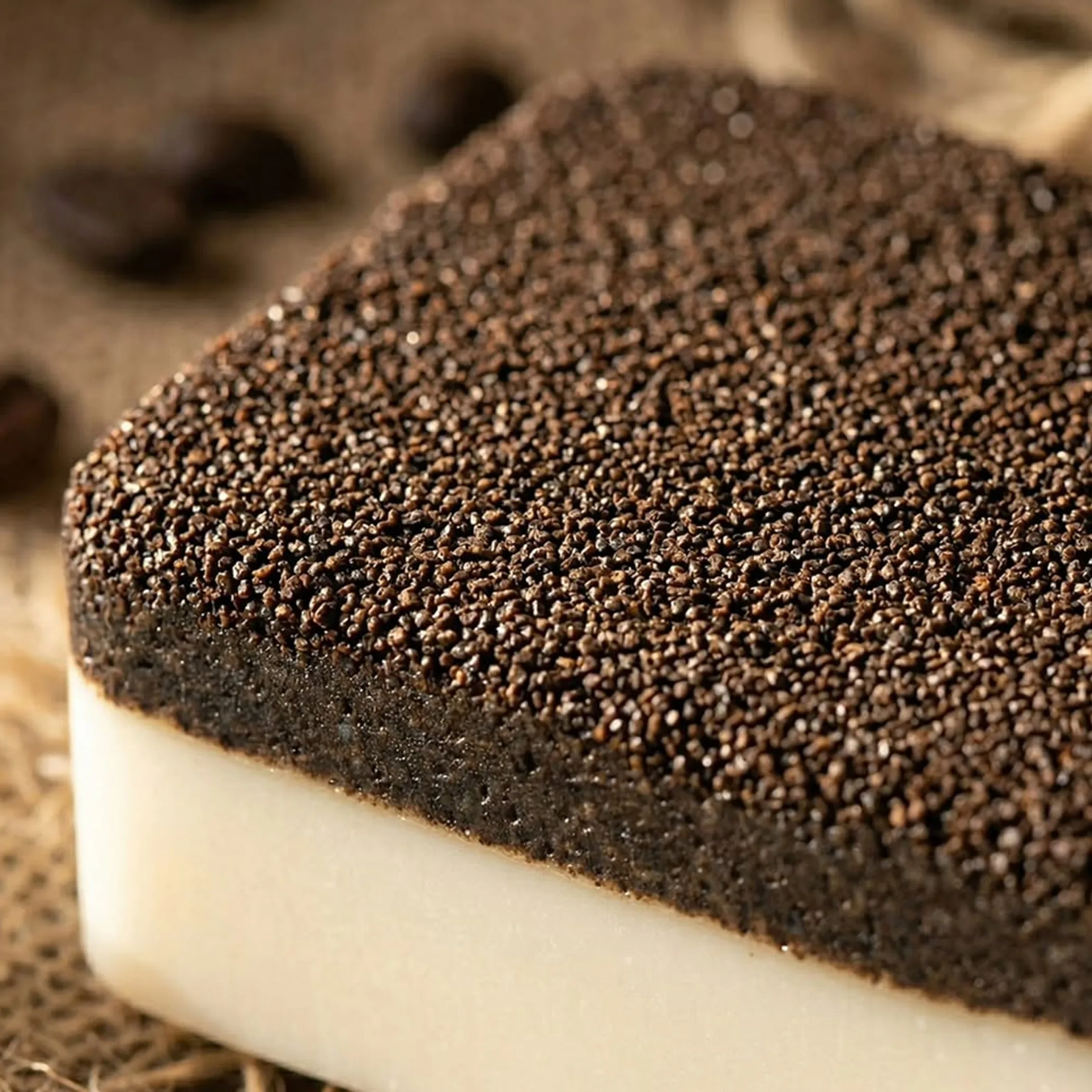
Fruit seeds are a case in point for fatty acids; one can get exfoliating compounds from coffee grounds for a cosmetic. But do not think these are just taken from the bin at a café and put in a face cream. There is a requirement for proper handling and testing.
Some are mistaken about the term “upcycled”. It speaks to how an ingredient was recovered or where it came from, nothing more. It is no assurance of an organic, vegan or allergen-free product, nor that it will be gentle on all complexions.
Standard natural cosmetics
These will generally be made from the likes of clays, waxes, essential oils and plant extracts, i.e. things sourced from nature. More often than not the raw materials have been put in the ground for the purpose of making cosmetics rather than being salvaged from elsewhere.
One has to read the word “natural” with some care. Depending on the standard or certification scheme, requirements vary, and a fair amount of processing may be involved before the ingredient makes it to the finished article.
There are risks with the natural
Do not mistake nature for a safety certificate. An essential oil or fragrant extract could well have an allergen in it. A physical scrub is apt to irritate. Certain botanicals do not play well with inflamed skin or sunlight.
ISO 16128 offers terminology for natural and naturally derived ingredients but it is not a substitute for a full safety assessment. Then you have bodies like NATRUE with their own rules. It is wise to see what a logo stands for and not put all green symbols in the same basket.
Sourcing and sustainability
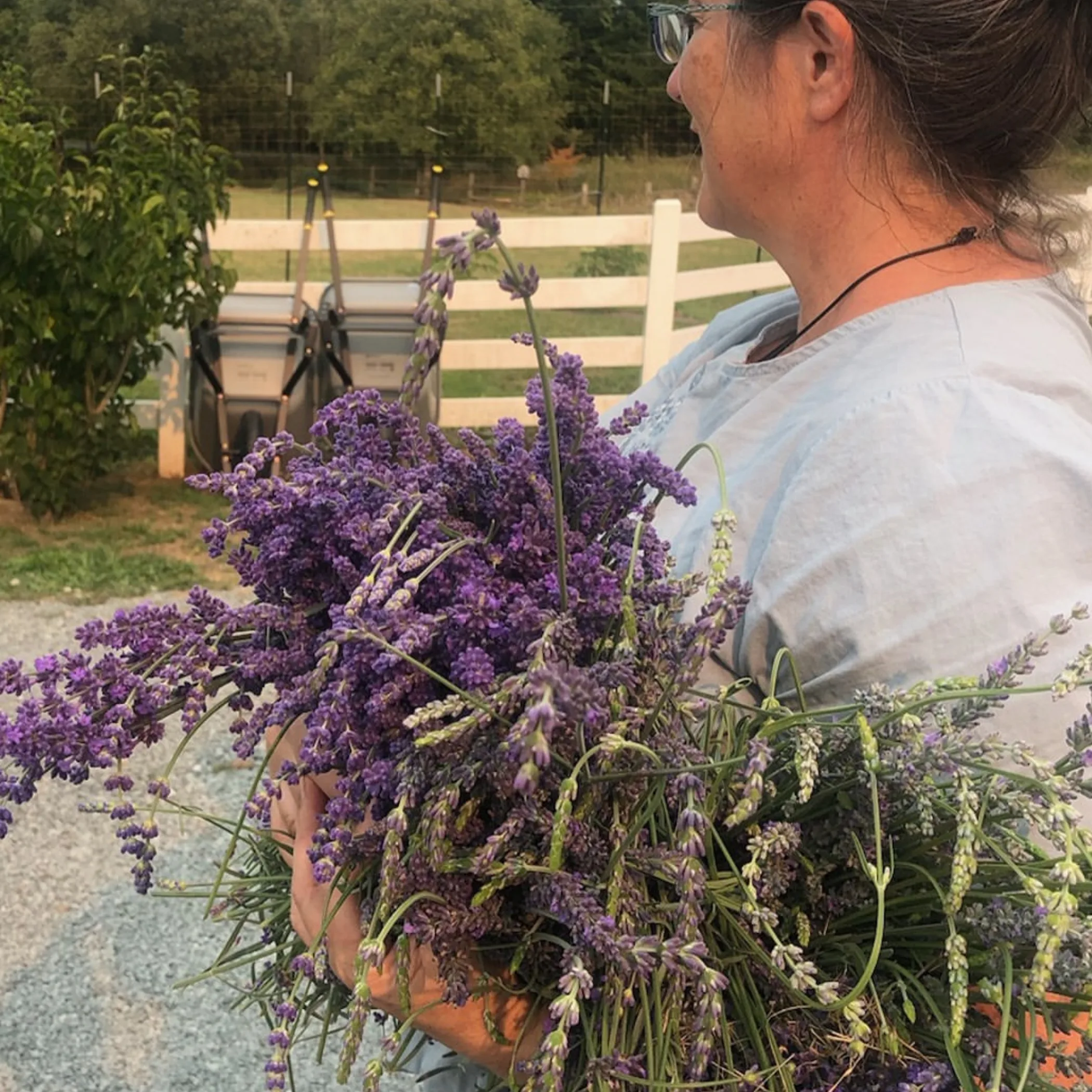
If you want to know the difference, look at what transpires before the ingredient is in the lab. Conventional natural sourcing will have started with a crop or mineral deposit chosen for the job; upcycling takes an existing stream of material.
Neither is inherently the better option. An upcycled ingredient processed locally has a good story to tell in terms of resource efficiency, yet a standard botanical can be obtained from a supply chain with little need for processing and fine traceability.
| Feature | Upcycled Beauty Ingredients | Standard Natural Cosmetics |
|---|---|---|
| Primary source | Surplus materials, by-products and organic waste | Minerals, virgin plant materials, crops grown for the purpose |
| Environmental objective | To reduce waste and make better use of resources | Naturally sourced materials for cosmetics |
| What you might find | Fermentation leftovers, fruit seeds, coffee grounds, skins | Clays, mineral pigments, rosehip oil, essential oils and plant extracts |
| The question to ask | What would have been done with the source material? | What were the circumstances of the harvesting, growing and transport? |
| Limitation | Supply can be inconsistent and more processing is called for | New production puts pressure on land, water and agriculture |
Take the table as a general guide. An upcycled product is not precluded from having plastic packaging or using long-haul freight and an extraction process heavy on energy. Equally, a standard natural product can be environmentally sound if the ingredients have been efficiently and responsibly put together.
The Sourcing of Original Ingredients
One need look no further than the front label to appreciate the sourcing story behind upcycled skincare ingredients, which have their origins in a host of different industries. The term “food waste” in a cosmetic context might refer to any number of things amenable to technical recovery: surplus produce, spent grains, coffee grounds, pulp, peels, husks and seeds.
It is incumbent on manufacturers to provide an account of where the material has been obtained, the means by which it was put through its paces to ensure consistent quality and rid it of contaminants. A claim that something is simply “made from waste” and nothing more is putting on a very large hat.
Inputs You Will Find
In fruit processing one will find skins and seeds with their complement of oils and antioxidants; local supply and what is technically possible will determine if grape seeds, olive residues or the odd berry leftover are made into an ingredient for cosmetics.
Coffee grounds can be milled, sterilised and dried for some body products. Fibres, proteins and fermentable compounds may also be put to use by food manufacturers and breweries. Then again, not all by-products are suited to every skin application; some make better animal feed, compost or packaging.
Even in standard natural cosmetics there is a difference in how similar plant families are sourced. Take rosehip oil: the seeds are put in for the purpose of producing oil and the environmental assessment will hinge on everything from land management to the way they are farmed, harvested and transported.
What Upcycling Looks Like in Skincare

Be it a cleanser, a mask, colour cosmetics or a moisturiser, upcycled ingredients are to be found in oils, powders, hydrosols and extracts as well as functional materials for texture and stability. But the story is secondary to what the ingredient does. Some recovered fruit oil will give a certain feel to the skin, particles from coffee can be physical exfoliants. What matters is that the product is safe, stable and fit for purpose.
Practical Product Examples
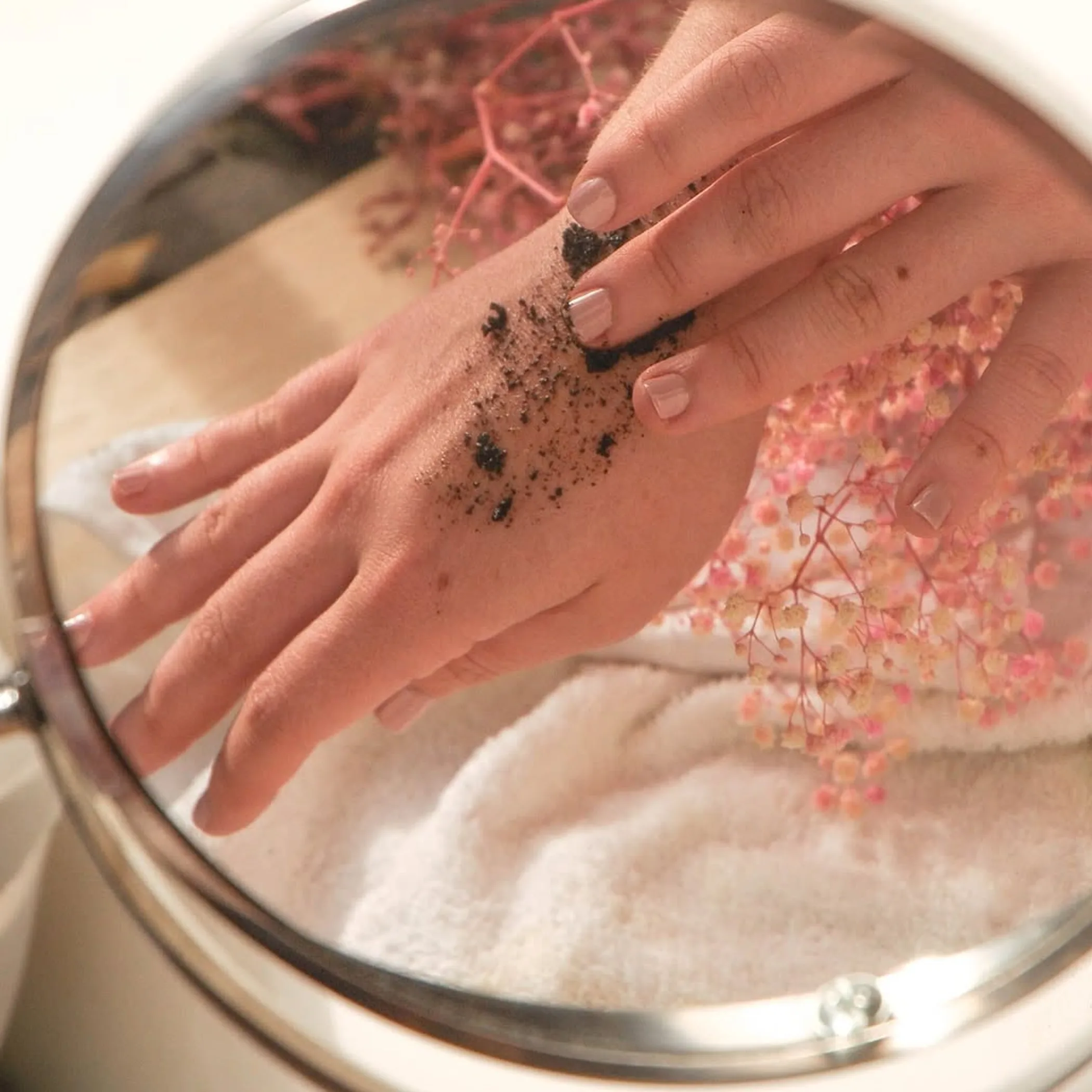
By way of example, a facial oil could be made from the sort of seed oil that would normally be thrown out in food processing. Or a body scrub will have its coffee grounds in good order, though those prone to irritation, rosacea or eczema might find such abrasives disagreeable.
One might see a botanical extract touted for its natural bio-actives; an impressive turn of phrase but it says nothing of the clinical value or concentration in the final product. Do not be swayed by a romantic-sounding ingredient, judge the performance of the formulation as a whole.
I used to make the error of thinking the most unusual item on an ingredient list was the most significant when I first began to read them. In fact, the preservative system, the fragrance, the packaging and so on will have as much bearing on the day to day experience.
An Environmental Appraisal
There is value in existing streams and upcycled beauty ingredients can lessen the call on new raw materials for sustainable cosmetics while making disposal easier for food producers. Yet the claim requires some context, upcycling is not per se low impact.
Put the right questions to it: was the material truly in surplus? How much water and energy did it take to process, were solvents used in extraction? Has another higher-value use been precluded? And what of the transport and packaging added?
Expectation Versus Reality
Upcycled is not invariably a smaller footprint than the conventional article. That is the expectation.
The reality is that while resource efficiency and waste may be improved, the entire supply chain is at play. A locally made product with standard natural ingredients will in some cases have less of an environmental impact than a heavy one sent off in layers of packaging over a long haul.
You will not find a universal statistic to rank an upcycled ingredient against its natural counterpart. Comparisons at the product level are only as good as the data on disposal, transport, water, energy and the like. For public context on why it is important to put materials to productive use the Australian Government has some pertinent information on resource recovery and food waste.
Consider 100 kilograms of what is left over from processing fruit. Processed near the source with the infrastructure at hand, it is upcycled. Put it in a truck for a long journey, dry it with a lot of energy and you end up with a small quantity of extract. Also upcycled, but the results are not the same. (This is an illustration, not an industry figure.)
Balancing Benefits And Limitations
In the end upcycled ingredients are a sensible means of tying in waste reduction with the production of beauty. They allow the consumer to be part of a circular approach without having to forgo performance, and they should prompt manufacturers to have a closer look at resources they have been ignoring.
One has to acknowledge the limitations as well. They are no less real. Supply is at the mercy of the season, of food production and harvests. Then there is the matter of raw materials that call for a good deal of purification. In some cases an ingredient will be pricier if the systems for testing and collection have yet to be put in place; traceability can be a thorny issue.
Who Benefits Most?
For the shopper with an eye on sustainable beauty and where their cosmetic ingredients come from, upcycled products are a fit. There is also an appeal for those who would like to back an eco-friendly product but are not given to taking claims at face value.
They are perhaps not for the type of customer who equates “upcycled” with being organic, entirely natural, fragrance-free or something reactive skin can handle. One with allergies would do well to examine the full list of ingredients and patch-test. And should irritation prove persistent, it is better to get medical advice than to go on auditioning products in the manner of a reality tv judge.
- Do not be content with what is written on the front of the pack, look at the whole ingredient list.
- See if there is any clarity on how the by-product was processed.
- Weigh the packaging and size against the sustainability pitch and make sure the preservatives, essential oils and exfoliants are right for your skin.
Choosing The Right Product
It comes down to what you put first. To be sure a product will work for your skin type, one should have evidence of performance and not put the onus on the source material. If resource efficiency is the order of the day, then the sourcing story is worth a closer look. As for those wishing to stay away from certain fragrance allergens, the complete formula is what counts.
Certification bodies will sort out the terminology and Formula Botanica puts an educational spin on the subject of natural and organic cosmetics. But a logo is no substitute for sensible shopping. A brand that is open about its wares will put its case in plain English and not imply an entire product is made perfect by a single component.
A Simple Shopping Checklist
You have a minute in the shop? Make a start with your skin history and the product’s purpose. You would not assess a coffee body scrub in the same way as a moisturiser for a sensitive, dry face. Is it scented or not, abrasive, leave-on or rinse-off? Can you see yourself reusing or recycling the packaging?
For the uninitiated, introduce a new product in isolation. It spares you the usual pile-up in the bathroom cabinet and any irritation is easier to put a name to. Have realistic expectations: an upcycled element may be a sound choice of sourcing but it will not make up for a routine or formula that is lacking.
If it is sustainability that sways you, want hard facts on the manufacturing and packaging. Words like “planet friendly” or “pure” are of little use without some proof to back them up.
Frequently Asked Questions About Upcycled Ingredients
In my experience these are the questions most put forward when trying to parse clean beauty lingo. The truth is often “it depends”, not as pithy as a miracle claim but of more use.
Which Makeup Brand Has The Cleanest Ingredients?
You will not find a makeup brand that is the cleanest for all. “Clean” is not universally defined and what is suitable is a question of personal preference, skin condition, sensitivity to fragrance and so on. Put aside the word “clean” and review the list for safety and sourcing.
What Are The Top Five Ingredients To Avoid?
Science does not provide a universal five that must be shunned. Some will have to avoid an irritant or an allergen, or anything at odds with a diagnosed condition. A qualified professional can help identify your triggers; there is no need to dispense with whole groups of ingredients for no reason.
What Is The Best Non-Toxic Makeup For Mature Skin?
“Non-toxic” is hardly a guarantee. What mature skin wants is a formula that will not draw out the moisture, good sun protection and a texture it can live with. How the product holds up over the course of the day is of more consequence than whether the ingredients were upcycled or not.
What Is The Healthiest Skincare Brand?
There is no such thing as a healthiest brand across the board. A product ought to be safe and correctly formulated for the user. Be guided by responsible manufacturing and transparent lists, and be wary of claims of cures.
Are Upcycled Ingredients Better Than Natural Ingredients?
Not of themselves. An upcycled ingredient might be putting resources to better use and cutting waste. A conventional natural one could have a track record of performance and supply. It is a matter of the formulation and what your skin requires.
Making A Sensible Beauty Choice

To set up upcycled and standard natural cosmetics as a good versus bad is to miss the point; they are merely different ways of sourcing. The former recovers value from a by-product in the interest of circular beauty, the latter is likely to be made from plant or mineral inputs put in the ground by a farmer.
My rule is to keep your expectations in check and reward specific claims. An ingredient’s having been next to a banana peel does not put a premium on the product, nor does it diminish it because a farmer saw to the growing of the plant. Safe and effective skincare is what matters.
The distinction between the two is this: the upcycled variety starts with recovery and the natural with fresh sourcing, yet both must show their worth in the bottle.